Go Back
- Salmon fillets (4 pieces, 6 oz each) - Maple syrup (¼ cup) - Dijon mustard (2 tablespoons) - Soy sauce (1 tablespoon, low sodium) - Olive oil (1 tablespoon) - Garlic powder (1 teaspoon) - Seasoning (Salt and pepper) - Garnish (Fresh parsley, chopped) - Serving (Lemon wedges) To make Maple Dijon Glazed Salmon, you need fresh salmon fillets. I like using four pieces, each weighing six ounces. This size cooks evenly and gives the right portion for each plate. Next, grab some pure maple syrup. You will need a quarter cup. This syrup adds a sweet touch to the glaze. Then, get two tablespoons of Dijon mustard. The mustard gives the glaze a nice tang. You will also need one tablespoon of low-sodium soy sauce. This adds depth to the flavor without too much salt. Olive oil is next; you will need one tablespoon. It helps the glaze stick to the salmon. Don't forget garlic powder! One teaspoon adds a lovely aroma and taste. Lastly, grab some salt and pepper for seasoning. Fresh parsley, chopped, makes a bright garnish. Lemon wedges will serve as a zesty side for your dish. Gather these ingredients, and you are ready to cook a meal that will impress! {{ingredient_image_1}} 1. First, preheat your oven to 400°F (200°C). This helps cook the salmon evenly. 2. Next, prepare the glaze mixture. In a small bowl, whisk together: - ¼ cup pure maple syrup - 2 tablespoons Dijon mustard - 1 tablespoon low-sodium soy sauce - 1 tablespoon olive oil - 1 teaspoon garlic powder This blend gives salmon a sweet and tangy flavor. 3. Now, season the salmon fillets. Sprinkle salt and pepper on both sides. Place the fillets skin-side down on a lined baking sheet. 1. Arrange the salmon on the baking sheet so they have space. This helps them cook well. 2. Brush the glaze on each salmon fillet. Use a generous amount and save some for later. 3. Bake the salmon for 12-15 minutes. It’s done when the fish flakes easily with a fork and turns opaque. 1. For a perfect finish, turn on the broiler during the last 2 minutes. This caramelizes the glaze. Watch it closely to avoid burning. 2. Once done, remove the salmon from the oven. Drizzle any remaining glaze over the fillets. 3. Garnish with freshly chopped parsley. Serve hot with lemon wedges for a zesty touch. To get the right glaze, focus on mixing equal parts maple syrup and Dijon mustard. This mix gives a great balance of sweet and tangy. You can add a bit of soy sauce for saltiness. If your glaze is too thick, add a splash of water to thin it out. When broiling, watch your salmon closely. The glaze can burn easily. Start broiling on a lower rack. This helps keep the heat even. Check after one minute to see if it’s bubbling. This will help you avoid burning the glaze. You can bake or grill your salmon. Baking is great for a simple meal, while grilling adds smoky flavor. If you bake, cook at 400°F for 12-15 minutes. The salmon should flake easily when done. For grilling, cook for about 6-8 minutes per side. Use a medium heat to prevent burning. This dish pairs well with several sides. Try serving it with steamed broccoli, rice, or a fresh salad. These sides balance the rich flavors of the salmon. For drinks, a crisp white wine like Sauvignon Blanc works best. The wine's acidity cuts through the sweetness of the glaze. If you prefer non-alcoholic, a sparkling water with lemon is refreshing. Pro Tips Fresh Salmon is Best: Always opt for fresh, high-quality salmon for the best flavor and texture. Look for fillets that are bright in color and have a mild scent. Marinate for Extra Flavor: For a deeper flavor, marinate the salmon in the glaze for 30 minutes before baking. This allows the glaze to penetrate the fish. Use a Meat Thermometer: To ensure your salmon is perfectly cooked, use a meat thermometer. The internal temperature should reach 145°F (63°C). Pair with Seasonal Veggies: Serve the salmon with seasonal vegetables like asparagus or broccoli for a well-rounded meal that complements the glaze beautifully. {{image_2}} You can change the sweetener in this recipe. Instead of maple syrup, try honey or agave nectar. Each sweetener gives a unique flavor. The choice of mustard also matters. Use yellow mustard for a milder taste, or whole grain mustard for more texture. Each swap changes the dish's character, so feel free to experiment. Add more herbs and spices to boost flavor. Fresh dill or thyme pairs well with salmon. You might also enjoy a hint of chili flakes for heat. Citrus zest, like lemon or orange, brightens the glaze. Grated ginger adds warmth and depth. These small tweaks can make a big difference in taste. If you need gluten-free options, switch soy sauce for tamari. It has a similar flavor without gluten. For low-carb diets, skip the maple syrup and use a sugar-free sweetener. This keeps the dish tasty while meeting dietary needs. Adaptations ensure everyone can enjoy this delightful meal. To store leftover salmon, let it cool first. Place it in a shallow dish. Cover the dish tightly with plastic wrap or use an airtight container. This keeps your salmon fresh for up to three days. You can enjoy it cold or reheat it later. For the best results, freeze salmon within two days of cooking. Wrap each piece in plastic wrap. Then, put the wrapped salmon in a freezer bag. It can stay fresh for up to three months. To thaw, move the salmon to the fridge overnight. This keeps it safe and tasty. When you reheat your salmon, aim for gentle heat. The oven works best. Set it to 300°F (150°C) and place the salmon in a baking dish. Heat for about 10-15 minutes. Avoid the microwave, as it can dry out your salmon. Always check that it’s warmed through before serving. Can I use frozen salmon fillets? Yes, you can use frozen salmon fillets. Just make sure to thaw them first. For best results, thaw overnight in the fridge. If you’re short on time, place the sealed fillets in cold water for about 30 minutes. Once thawed, pat them dry before seasoning and glazing. How do I know when salmon is done cooking? Salmon is done when it flakes easily with a fork and turns opaque. A good rule is to check it after 12 minutes in the oven. Use a fork to gently poke the thickest part of the fish. If it flakes apart, it’s ready to eat! Can I make the glaze ahead of time? Yes, you can make the glaze a day in advance. Just mix the maple syrup, Dijon mustard, soy sauce, olive oil, and garlic powder together. Store it in an airtight container in the fridge. When ready, give it a quick stir before using. How to scale the recipe for more servings? To scale the recipe, simply multiply each ingredient by the number of servings you need. For example, if you want to serve eight, use eight salmon fillets and double the glaze ingredients. Just make sure your baking sheet can fit all the fillets. What to do if I don't have Dijon mustard? If you don’t have Dijon mustard, you can use yellow mustard as a substitute. It will change the taste slightly but still adds a nice kick. Alternatively, mix equal parts of honey and mustard for a sweet glaze. Caloric content per serving Each serving of maple Dijon glazed salmon contains about 380 calories. This includes the salmon and the glaze. Protein and fat breakdown of the dish Each serving has around 34 grams of protein and 22 grams of fat. The healthy fats come from the salmon and olive oil, making it a nutritious choice. This blog post covered making a tasty Maple Dijon Glazed Salmon. We shared ingredients, step-by-step cooking methods, and tips for perfect results. You can also try flavorful variations and ways to store leftovers. Incorporating simple swaps can keep the dish fresh. Enjoy this easy recipe that offers both flavor and nutrition. With practice, you'll impress everyone with your salmon! Your kitchen can become a place of joy and delicious meals.

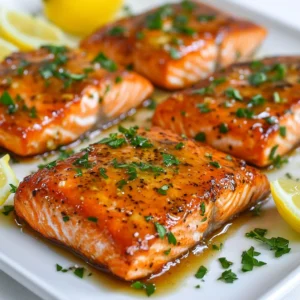
Maple Dijon Glazed Salmon

A delicious salmon dish glazed with a sweet and tangy maple Dijon sauce.
Prep Time 10 minutes
Cook Time 15 minutes
Total Time 25 minutes
Course Main Course
Cuisine American
Servings 4
Calories 350 kcal

Ingredients
  

  • 4 fillets salmon (6 oz each)
  • 0.25 cup pure maple syrup
  • 2 tablespoons Dijon mustard
  • 1 tablespoon soy sauce (low sodium)
  • 1 tablespoon olive oil
  • 1 teaspoon garlic powder
  • None to taste salt and pepper
  • None for garnish fresh parsley, chopped
  • None for serving lemon wedges

Instructions
 

  • Preheat your oven to 400°F (200°C).
  • In a small bowl, whisk together the maple syrup, Dijon mustard, soy sauce, olive oil, and garlic powder until well combined.
  • Season the salmon fillets with salt and pepper on both sides and place them skin-side down on a lined baking sheet.
  • Brush the maple Dijon glaze generously over each salmon fillet, reserving some glaze for later use.
  • Bake the salmon in the preheated oven for 12-15 minutes or until the fish flakes easily with a fork and is opaque.
  • During the last 2 minutes of baking, turn on the broiler to caramelize the glaze, keeping a close eye to ensure it doesn’t burn.
  • Remove the salmon from the oven, drizzle with any remaining glaze, and garnish with freshly chopped parsley.
  • Serve immediately with lemon wedges on the side for an extra zesty kick.

Notes

Serve with lemon wedges for an extra zesty kick.
Keyword dijon, glazed, healthy, maple, salmon