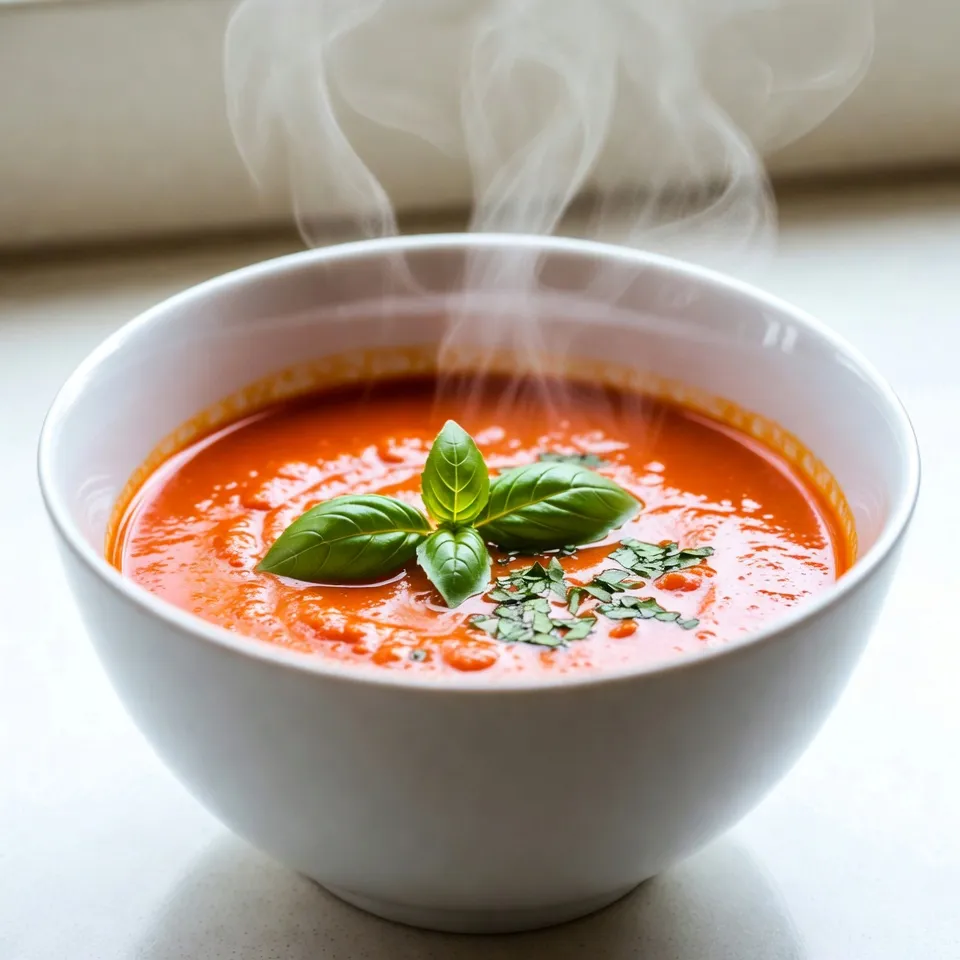
When the weather outside turns cold, there’s nothing like a warm bowl of tomato soup to bring comfort. In this article, I'll share my favorite winter tomato soup recipe that's rich, creamy, and bursting with flavor. You’ll learn about easy ingredients, step-by-step instructions, and clever tips to make the perfect bowl. Get ready to warm up your soul with every delicious spoonful!
Why I Love This Recipe
- Comforting Warmth: This soup is the perfect antidote to chilly winter days, wrapping you in a cozy embrace with every spoonful.
- Rich Flavor: The combination of fresh tomatoes, herbs, and cream creates a deep, satisfying flavor profile that’s both simple and delicious.
- Easy Preparation: With straightforward steps and minimal ingredients, this recipe is perfect for busy weeknights or last-minute cravings.
- Customizable: Whether you prefer it creamy or dairy-free, this soup can easily be adapted to suit your dietary preferences.
Ingredients
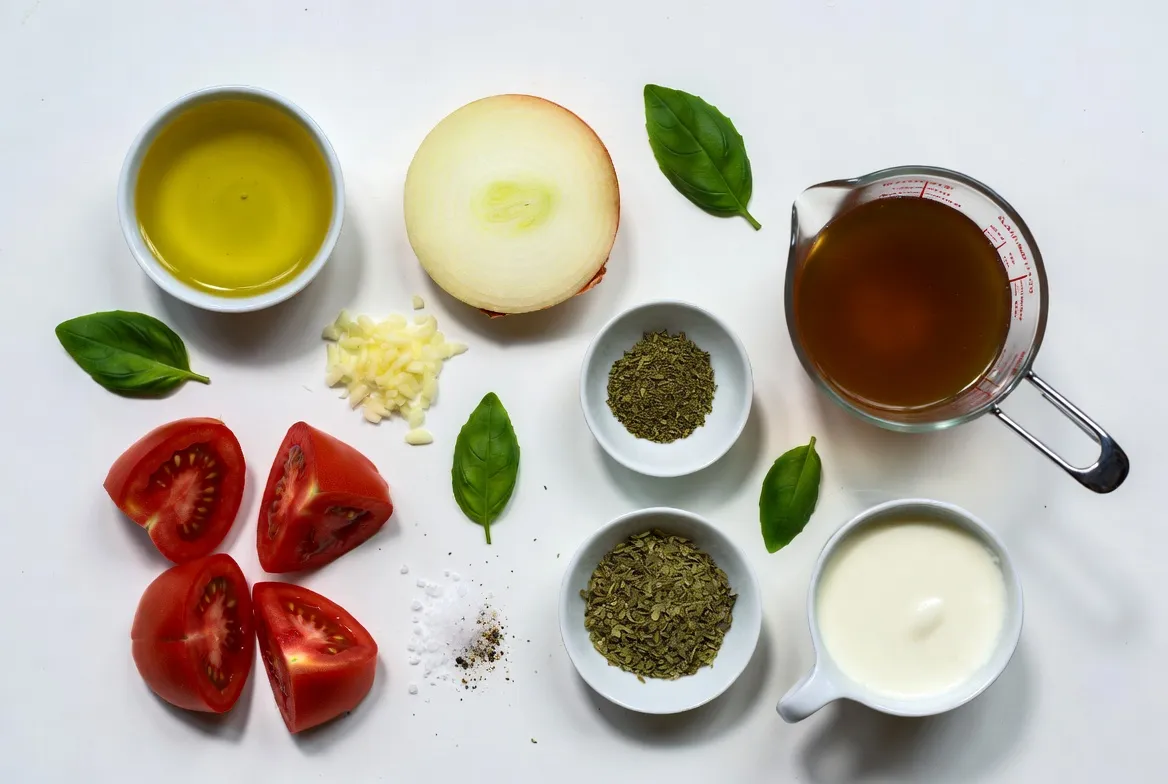
List of Ingredients
- 2 tablespoons olive oil
- 1 medium onion, chopped
- 2 cloves garlic, minced
- 4 large ripe tomatoes, diced
- 2 cups low-sodium vegetable broth
- 1 teaspoon dried oregano
- 1 teaspoon dried basil
- ½ cup heavy cream (or coconut cream for a dairy-free option)
- Salt and pepper to taste
- Fresh basil leaves for garnish
In making this winter tomato soup, you need fresh, simple ingredients. Olive oil adds a rich flavor to the soup. The onion and garlic create a sweet base that warms your heart.
The tomatoes are the star of the show. Use ripe, juicy tomatoes for the best taste. Vegetable broth brings everything together, adding depth and warmth.
Herbs like oregano and basil give a cozy aroma. They elevate the flavors, making every spoonful delightful.
For creaminess, you can choose heavy cream or coconut cream. Both options work well. Lastly, fresh basil leaves make the soup look beautiful and add a fresh touch.
Gathering these ingredients sets the stage for a comforting bowl of soup.
Step-by-Step Instructions
Preparation Steps
1. Sautéing the onion and garlic
Start by heating 2 tablespoons of olive oil in a large pot over medium heat. Add 1 medium chopped onion. Cook it for about 5 minutes. You want it to look translucent. Next, add 2 minced garlic cloves. Stir and cook for 1 more minute. Be careful not to burn the garlic.
2. Cooking the tomatoes
Now, add 4 large diced tomatoes to the pot. Cook these for about 7 to 10 minutes. This helps them soften and release their juices. Stir occasionally to ensure even cooking.
3. Simmering the broth with herbs
Pour in 2 cups of low-sodium vegetable broth. Bring this mixture to a simmer. Add 1 teaspoon of dried oregano and 1 teaspoon of dried basil. Season with salt and pepper to taste. Let it simmer for 15 minutes to allow the flavors to blend.
Blending the Soup
1. Using an immersion blender
Carefully use an immersion blender to puree the soup until it is smooth. This tool makes blending easy and mess-free.
2. Transferring to a traditional blender
If you don't have an immersion blender, pour the hot soup into a traditional blender. Do this in small batches. The hot liquid can splatter, so be cautious. Blend until smooth, then return it to the pot.
Final Touches
1. Stirring in the cream
After blending, return the soup to the pot. Stir in ½ cup of heavy cream or coconut cream for a dairy-free option. Heat gently until warm, but do not boil.
2. Adjusting seasoning
Taste your soup and adjust the seasoning if needed. Add more salt and pepper to enhance the flavors if desired.
Now, your comforting winter tomato soup is ready to serve. Enjoy it hot with fresh basil leaves on top!
Tips & Tricks
Making a Creamy Texture
To make your soup creamy, you can use heavy cream. It adds rich flavor and smoothness. If you prefer a dairy-free option, try coconut cream. It gives a hint of sweetness that pairs well with tomatoes.
Enhancing Flavor
To warm up the soup, add spices like cumin or smoked paprika. Just a pinch can make a big difference. For garnish, fresh basil leaves brighten the dish. You can also use a drizzle of olive oil for added richness.
Perfecting the Consistency
If your soup is too thick, add more broth until it reaches your desired texture. For a smoother finish, use an immersion blender. If you don’t have one, pour the soup in batches into a regular blender. Just be careful with hot liquids.
Pro Tips
- Use Fresh Tomatoes: For the best flavor, choose ripe, in-season tomatoes. They will provide a sweeter and more vibrant taste to your soup.
- Blend Thoroughly: Ensure your soup is blended until completely smooth for a creamy texture. If using a blender, allow the soup to cool slightly before blending in batches to avoid splatters.
- Adjust Consistency: If the soup is too thick, add a little more vegetable broth or water until you reach your desired consistency. Conversely, if it’s too thin, simmer it a bit longer to reduce.
- Flavor Enhancements: Experiment with adding a splash of balsamic vinegar or a pinch of red pepper flakes for an extra layer of flavor and warmth to your soup.
Variations
Seasonal Additions
You can make your winter tomato soup even better by adding winter vegetables. Think of kale, carrots, or butternut squash. These veggies enhance flavor, nutrition, and color. Simply chop them and add them during the cooking phase. This way, they blend smoothly with the tomatoes.
Using roasted tomatoes is another great option. Roasting enhances their sweetness and adds a smoky flavor. Cut the tomatoes in half, drizzle with olive oil, and roast until caramelized. Then, toss them into your pot. The result is a rich, comforting taste that warms you up.
Flavor Twists
Spices add depth to your soup. Try adding cumin or smoked paprika for some warmth. Just a pinch can transform the soup into a lively dish. These spices work well with the natural sweetness of the tomatoes.
Experiment with different herbs, too. Instead of just oregano and basil, consider thyme or rosemary. These herbs bring unique flavors and aromas. Add them in the last few minutes of cooking to keep their taste bright and fresh.
Serving Suggestions
Pairing your soup with the right bread makes a big difference. Crusty bread, like a baguette or sourdough, is perfect for dipping. You can also serve it with buttery garlic toast for added flavor.
Accompany your soup with side dishes like a simple salad or grilled cheese. A fresh salad with greens and a light vinaigrette balances the richness. Grilled cheese adds comfort and fun, making your meal a cozy experience.
Storage Info
Storing Leftovers
After you enjoy your cozy creamy winter tomato soup, you might have some left. To store leftovers, let the soup cool down first. Then, place it in an airtight container. This helps keep the soup fresh. Store it in the fridge for up to three days. If you want to keep it longer, freezing is a great option.
To freeze the soup, follow these steps:
- Allow the soup to cool completely.
- Pour it into freezer-safe containers, leaving some space at the top for expansion.
- Seal the containers tightly, and label them with the date.
- You can freeze it for up to three months.
Reheating Tips
When you’re ready to enjoy the soup again, reheating is key. You want to keep the texture and flavor just right. Here are some methods:
- Stovetop: Pour the soup into a pot over low heat. Stir often and heat until warm. This method keeps the soup creamy.
- Microwave: Place the soup in a microwave-safe bowl. Heat it in short bursts, stirring in between. This helps heat evenly.
To enhance flavors while reheating, consider adding a splash of olive oil or a pinch of fresh herbs. This will brighten the taste and make it even more enjoyable.
FAQs
How to make tomato soup thicker?
To make your soup thicker, try these methods:
- Add more tomatoes: Extra diced fresh or canned tomatoes can boost thickness.
- Use a roux: Mix equal parts flour and fat, cook it, and stir it into your soup.
- Simmer longer: Cooking soup longer allows water to evaporate, thickening the mixture.
- Blend in starch: Add cooked potatoes or rice, then blend for a creamy texture.
These techniques help you achieve the perfect thickness for your winter tomato soup.
Can I use canned tomatoes instead of fresh?
Yes, you can use canned tomatoes! Here are some pros and cons:
Pros:
- Convenience: Canned tomatoes are ready to use and save prep time.
- Flavor: They often have a rich taste, as they ripen before canning.
- Availability: Canned tomatoes are easy to find, even in winter.
Cons:
- Texture: Canned tomatoes may be softer than fresh ones.
- Sodium: Some canned options can be high in sodium, so check labels.
Using canned tomatoes can save time and still produce a tasty soup.
Is tomato soup healthy for winter?
Tomato soup offers several health benefits during cold months:
- Rich in vitamins: Tomatoes are high in vitamins A and C, boosting your immune system.
- Hydration: The broth keeps you hydrated, which is vital in winter.
- Antioxidants: Tomatoes contain lycopene, which can support heart health.
Enjoying this warm soup can help you feel good while staying cozy in winter.
This blog post covered key ingredients for making delicious tomato soup. I shared steps for preparation and blending, along with tips to enhance flavor and achieve the right texture. You learned about seasonal variations and the best ways to store and reheat leftovers.
Tomato soup is warm, comforting, and easy to make. It’s fun to experiment with flavors. You can tailor this recipe to fit your tastes or what you have on hand. Enjoy creating your perfect bow