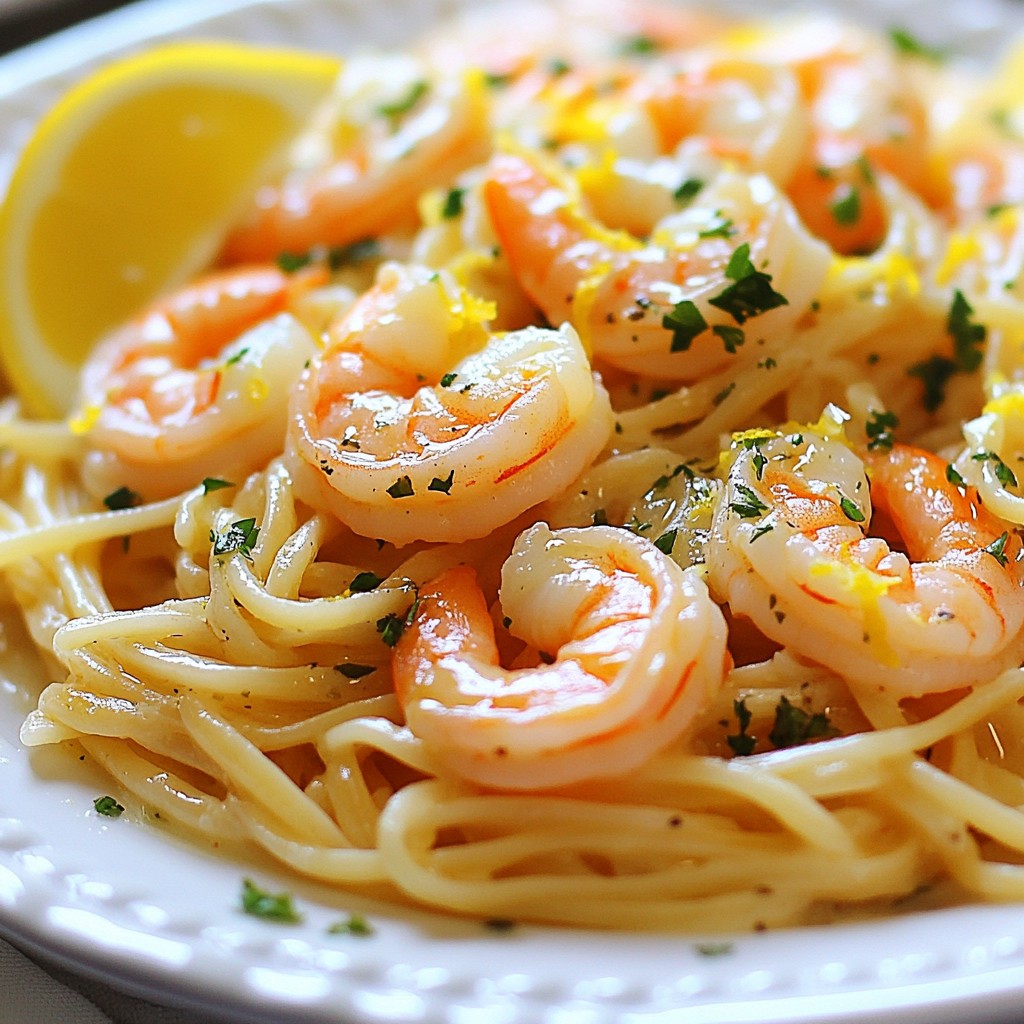
If you're craving a dish that combines bold flavors and simple steps, look no further than my savory Shrimp Scampi Linguine. This recipe brings succulent shrimp and al dente pasta together in a garlic-infused symphony of taste. Whether you're a kitchen novice or an experienced cook, you’ll find joy in the vibrant ingredients and quick prep. Let’s dive into this delicious dish that’s perfect for any occasion!
Why I Love This Recipe
- Fresh and Flavorful: This dish is bursting with the zesty flavors of lemon and lime, making it a refreshing choice for any occasion.
- Quick and Easy: With a prep time of just 10 minutes, this recipe is perfect for busy weeknights or last-minute dinners.
- Seafood Delight: The shrimp add a delightful protein boost, ensuring that this dish is both satisfying and nutritious.
- Customizable Heat: With adjustable red pepper flakes, you can easily tailor the spiciness to your personal preference.
Ingredients
List of Ingredients
- Shrimp and Pasta Essentials
- 12 oz linguine pasta
- 1 lb large shrimp, peeled and deveined
- Flavor Enhancers
- 4 cloves garlic, minced
- 1/4 cup unsalted butter
- 1/4 cup olive oil
- 1 lemon (zest and juice)
- 1/4 teaspoon red pepper flakes (adjust to taste)
- Salt and pepper to taste
- Zest of 1 lime (for a unique twist)
- Fresh Herbs and Seasonings
- 1/4 cup fresh parsley, chopped
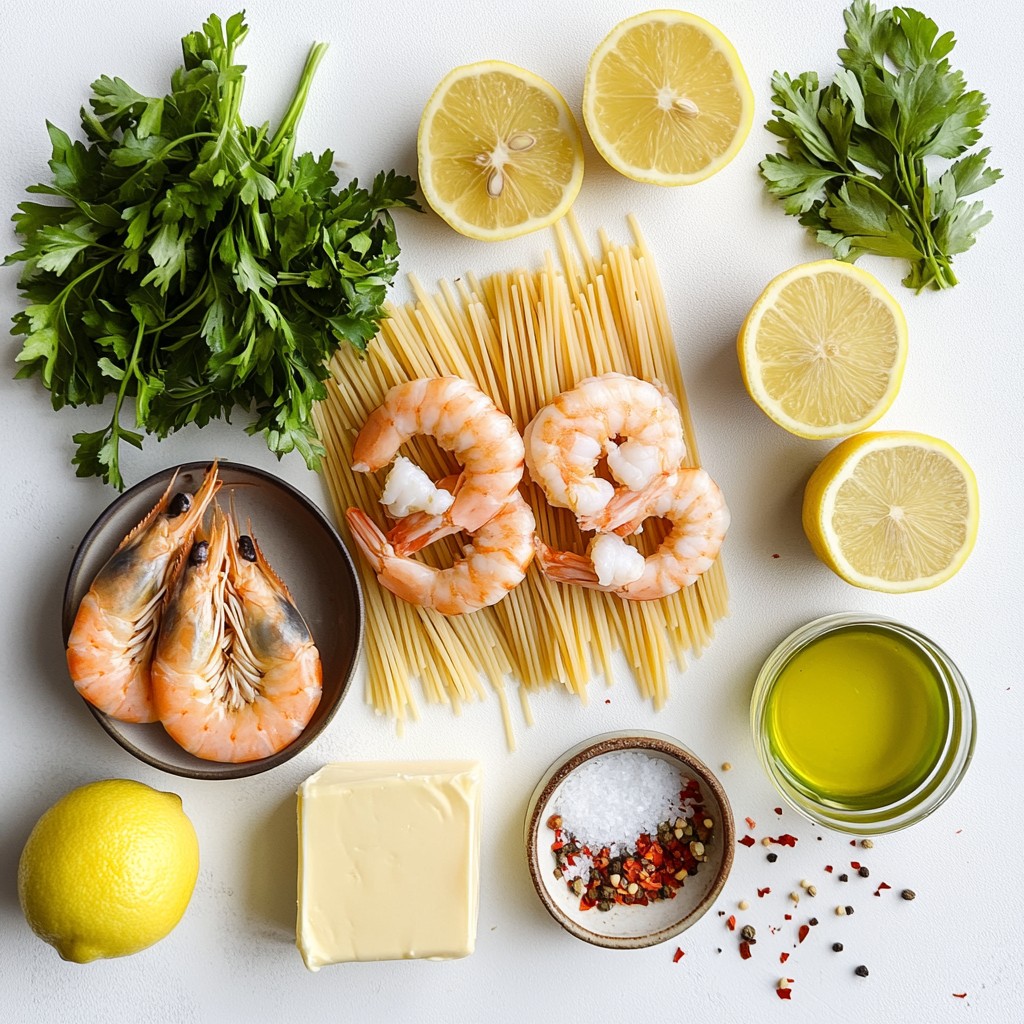
When you gather the ingredients for this shrimp scampi linguine, focus on quality. Fresh shrimp makes a big difference. Look for shrimp that are firm and smell clean, not fishy. The pasta should be linguine, as it holds the sauce well.
Garlic adds rich flavor. Use fresh cloves, not jarred. The butter and olive oil create a perfect base. I love the zest of lemon and lime; they brighten the dish. Red pepper flakes give it a kick, but adjust them to your taste.
Finally, fresh parsley brings color and freshness. It also gives a nice herb flavor. This blend of ingredients will help you make a dish that shines with flavor.
Step-by-Step Instructions
Cooking Pasta
Preparing the Pot and Boiling Water Start with a big pot. Fill it with water and add salt. Bring the water to a rolling boil.
Cooking Linguine to Perfection Add 12 oz of linguine pasta to the boiling water. Cook it for about 8-10 minutes. Check the pasta often until it is al dente, firm to the bite.
Reserving Pasta Water Before draining, save 1/2 cup of the pasta water. This water is starchy and helps the sauce stick.
Sautéing the Aromatics
Melting Butter and Olive Oil Grab a large skillet. On medium heat, melt 1/4 cup of butter with 1/4 cup of olive oil.
Adding and Sautéing Garlic Once the butter melts, add 4 cloves of minced garlic. Stir and cook it for about 1 minute. Make sure the garlic does not brown.
Cooking the Shrimp
Seasoning the Shrimp Next, toss 1 lb of shrimp into the skillet. Sprinkle with salt, pepper, and 1/4 teaspoon of red pepper flakes.
Perfecting the Cook Time Cook the shrimp for about 3-4 minutes. They should turn pink and opaque when done.
Combining Flavors
Adding Citrus Zest and Juice Now, add the zest and juice of one lemon. Also, add the zest of one lime for a fun twist. Stir well to mix the flavors.
Mixing Pasta with Shrimp Pour the drained linguine into the skillet. Add the reserved pasta water. Mix everything until the pasta is coated and heated through.
Finishing Touches
Incorporating Fresh Parsley Remove the skillet from heat. Stir in 1/4 cup of chopped fresh parsley for a fresh flavor.
Adjusting Seasoning to Taste Taste the dish and add more salt or pepper if needed. Enjoy the bright and savory notes!
Tips & Tricks
Cooking Tips
- Ensuring Perfectly Cooked Shrimp
To cook shrimp just right, watch their color. Start with raw shrimp, and they should change from gray to pink. Cook them for about 3-4 minutes. They will curl slightly when done. Overcooking makes shrimp tough, so keep an eye on them.
- Staying Al Dente with Pasta
To keep your linguine firm, cook it until al dente. This means it should have a slight bite. Follow the package instructions closely. Always taste a strand before draining to check its doneness. Reserve some pasta water before draining. This water helps mix flavors later.
Best Practices
- How to Properly Sauté Garlic
When sautéing garlic, use medium heat. Melt your butter and olive oil together first. Then, add minced garlic. Stir it for about a minute. Watch closely to avoid burning it. Burnt garlic tastes bitter and ruins the dish.
- Flavor Enhancements with Citrus
Adding lemon and lime zest brightens the dish. Zest before juicing the fruit. The zest holds oils that add a fresh taste. Mix the zest in just before serving to keep the flavors bright. Citrus helps balance the richness of butter.
Serving Suggestions
- Ideas for Plating
When plating, use large bowls or plates. Twirl the linguine to create a nice nest. Place the shrimp on top, showcasing their color. Use a spoon to drizzle some sauce over the dish for added flavor.
- Garnishing for Presentation
Fresh parsley adds color and freshness. Sprinkle chopped parsley on top just before serving. A lemon wedge on the side gives a pop of color and lets guests add more flavor if they wish. This small touch makes your dish look restaurant-quality.
Pro Tips
- Fresh Ingredients: Using fresh shrimp and herbs enhances the flavor of your dish significantly. Always opt for the freshest ingredients you can find.
- Perfectly Cooked Pasta: Make sure to cook the linguine just until al dente. This will allow the pasta to absorb the flavors of the sauce without becoming mushy.
- Reserve Pasta Water: Don't forget to save some pasta water before draining! It helps to loosen the sauce and adds extra starch to bind the pasta and sauce together.
- Adjust Heat: When cooking the shrimp, ensure your skillet is hot enough to sear them quickly. This helps maintain their juicy texture and prevents overcooking.
Variations
Ingredient Substitutions
Alternative Proteins If you want to switch things up, try using chicken or scallops. These proteins work well with the same flavors. For a plant-based option, consider using tofu or chickpeas. They can soak up the tasty garlic and lemon sauce.
Gluten-Free Options To make this dish gluten-free, swap out the linguine for gluten-free pasta. Many brands offer great options that taste just as good. You can also use zucchini noodles for a lighter twist.
Flavor Twists
Adding Extra Vegetables Want more color and nutrition? Toss in some spinach, bell peppers, or cherry tomatoes. These veggies add crunch and freshness. You can sauté them with the garlic for added flavor.
Changing Up the Herbs While parsley is classic, consider using basil or cilantro for a new taste. These herbs bring a fresh and unique twist to the dish. Just add them at the end for the best flavor.
Dietary Adjustments
Making it Low-Calorie To cut down on calories, use less butter and olive oil. You can also reduce the pasta amount and add more veggies. This keeps the dish light while still being delicious.
Vegetarian Adaptations For a vegetarian version, skip the shrimp and use mushrooms instead. They add a nice texture and flavor. You can also add extra garlic and lemon for a bright taste.
Storage Info
Storing Leftovers
- Best Storage Practices: To keep your shrimp scampi linguine fresh, let it cool first. Place the leftovers in the fridge within two hours after cooking. This helps prevent bacteria.
- Recommended Containers: Use airtight containers or glass jars. They keep the dish fresh and avoid strong odors mixing with other foods. If you want to keep it longer, consider freezing it for up to three months.
Reheating Instructions
- Methods for Reheating: You can reheat shrimp scampi linguine on the stove or in the microwave. For stovetop, use a skillet. Add a splash of water or broth to keep it moist while warming it up. For the microwave, cover with a damp paper towel to trap steam.
- Tips to Maintain Flavor and Texture: Check the shrimp when reheating. They can overcook easily. Heat just until warm. Adding a bit of olive oil or fresh lemon juice can bring back some of the dish's original zest and keep it tasty.
FAQs
Common Questions
What is the best shrimp to use for scampi? The best shrimp for scampi is large, fresh shrimp. Look for shrimp that are firm and have a slightly sweet smell. Fresh shrimp will have a better taste and texture. If you can't find fresh shrimp, use high-quality frozen shrimp. Just make sure they are peeled and deveined for easy cooking.
Can I use frozen shrimp for this recipe? Yes, you can use frozen shrimp. Just thaw them first. Place shrimp in cold water for about 15 minutes. This method helps keep the shrimp juicy. When using frozen shrimp, check the size. Large shrimp work best for shrimp scampi.
How do I make shrimp scampi without white wine? To make shrimp scampi without white wine, just skip it. You can replace it with chicken broth or vegetable broth. This will add flavor without the wine. You can also add more lemon juice for a zesty kick.
Cooking and Serving Queries
How long does it take to cook shrimp scampi linguine? Cooking shrimp scampi linguine takes about 30 minutes. This includes boiling pasta and cooking the shrimp. The key is to cook the shrimp just until they turn pink. Overcooking can make them tough.
Can I add other seafood to this dish? Yes, you can add other seafood like scallops or mussels. Just make sure to cook them until they are done. This will add more flavor and variety to your dish. Mixing seafood can make your meal even more special.
What wine pairs best with shrimp scampi linguine? A crisp white wine pairs best with shrimp scampi linguine. Options like Sauvignon Blanc or Pinot Grigio work well. These wines enhance the lemon and garlic flavors in the dish. If you prefer red wine, go for a light one like Pinot Noir.
This blog post covered how to make shrimp scampi linguine. You learned about key ingredients, cooking steps, and helpful tips. I shared ideas for flavor twists and ways to store leftovers. Each part of the dish plays a role in making it tasty and special.
With these simple methods, you can create a delightful meal. Explore the variations and make it your own. Now, gather your ingredients and enjoy cooking!