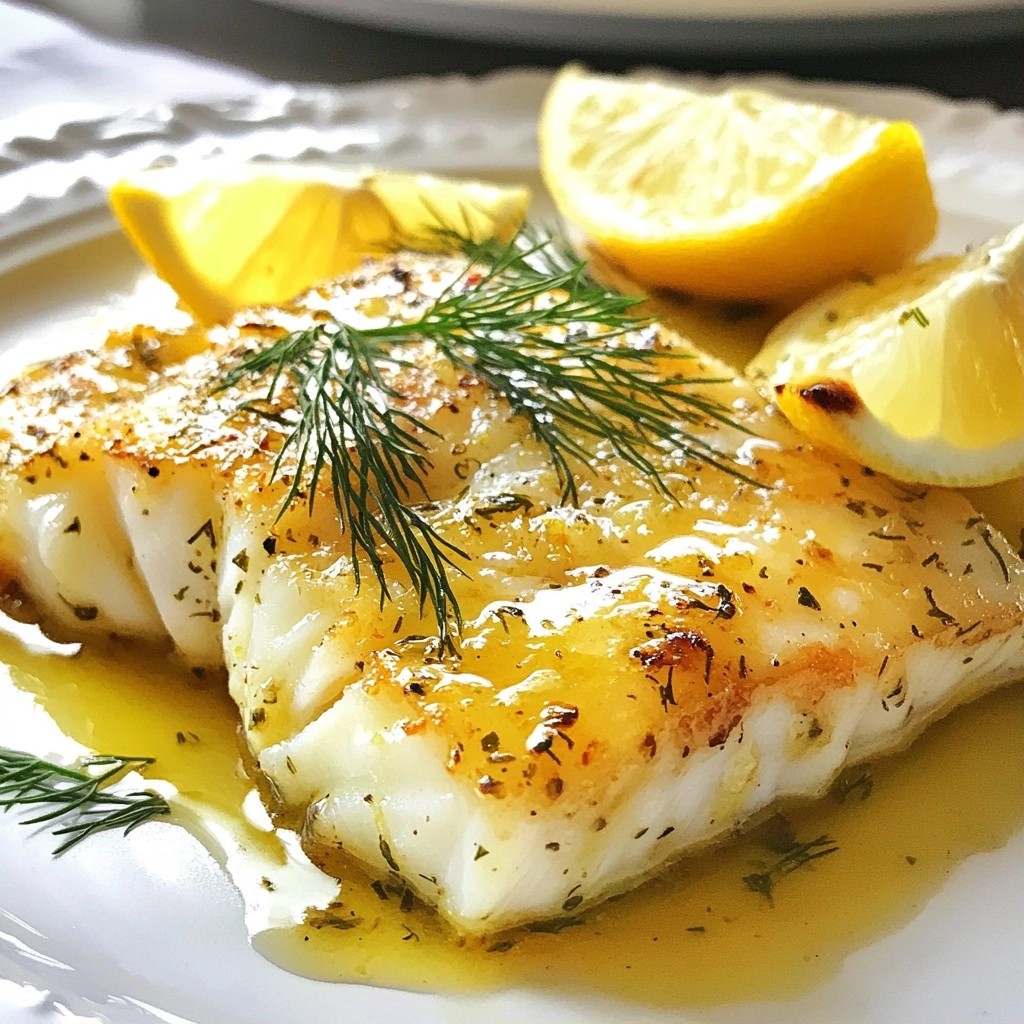
Are you ready to jazz up your keto meals? Let me introduce you to Savory Keto Lemon Dill Cod Fillets. This dish is not only easy to make, but it’s also packed with flavor. Fresh cod fillets, zesty lemon, and fragrant dill come together for a mouthwatering meal. Plus, I’ll share tips, variations, and storage info to ensure it’s perfect every time. Let’s dive into this tasty journey together!
Why I Love This Recipe
- Delicious Flavor Profile: This cod fillet recipe combines zesty lemon and fragrant dill, creating a bright and fresh taste that’s perfect for any occasion.
- Keto-Friendly: With minimal carbs and healthy fats from olive oil, this dish fits perfectly into a ketogenic diet without sacrificing flavor.
- Quick and Easy: Ready in just 25 minutes, this recipe is perfect for busy weeknights when you want something healthy without spending hours in the kitchen.
- Beautiful Presentation: Garnished with lemon wedges and fresh dill, this dish not only tastes great but also looks stunning on the plate, making it ideal for entertaining.
Ingredients
Main Ingredients for Savory Keto Lemon Dill Cod Fillets
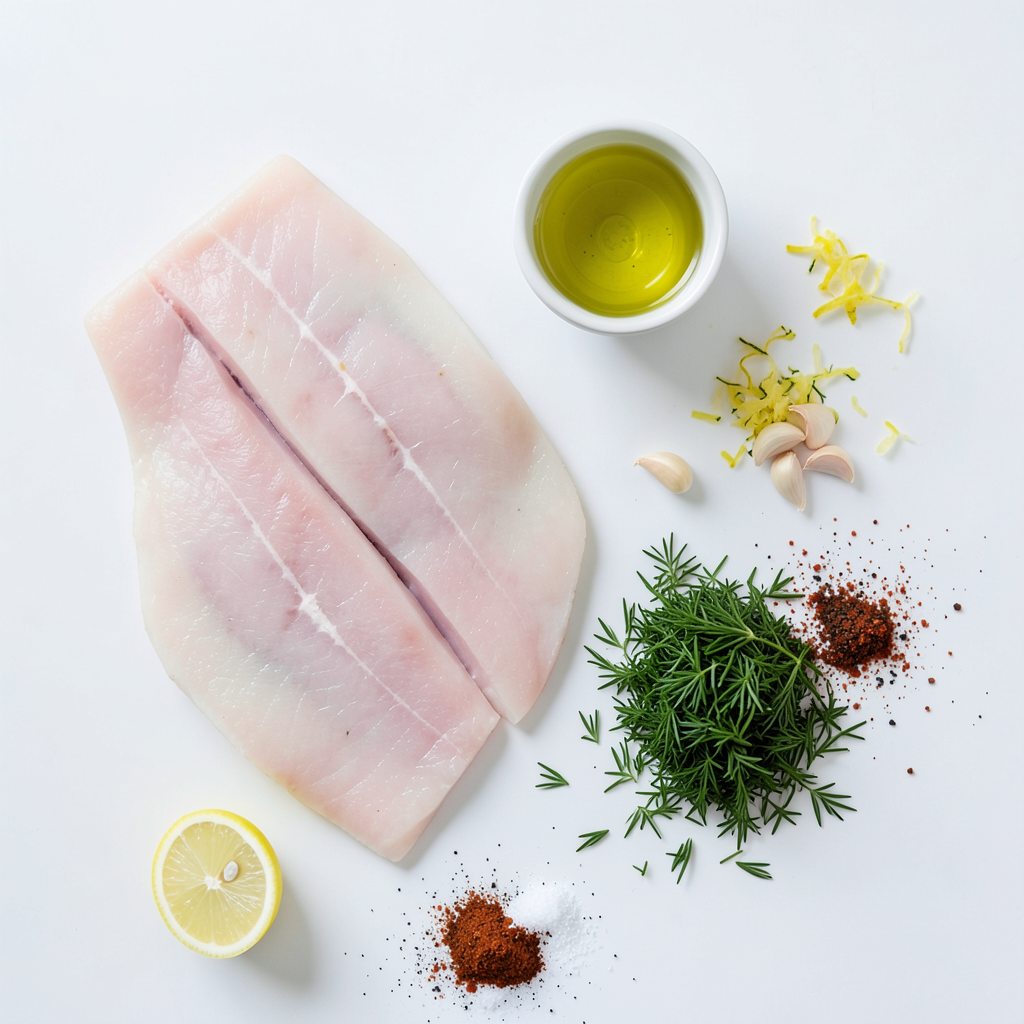
To make this dish, you need a few simple items. Gather these key ingredients:
- 4 cod fillets (about 6 ounces each)
- 3 tablespoons olive oil
- 2 tablespoons fresh lemon juice
- Zest of 1 lemon
- 1 tablespoon fresh dill, chopped (or 1 teaspoon dried dill)
- 2 garlic cloves, minced
- 1 teaspoon paprika
- Salt and pepper to taste
These ingredients create a bright and fresh flavor that works well with cod. The lemon juice and zest add zing, while the dill brings a nice herbal note.
Optional Ingredients for Extra Flavor
You can add more taste with these optional ingredients:
- A pinch of red pepper flakes for heat
- 1 tablespoon capers for a briny touch
- A teaspoon of mustard for depth
These extras can enhance the dish. Use them if you want a little twist.
Suggested Garnishes
Finish your dish with these garnishes:
- Lemon wedges for squeezing
- A sprinkle of fresh dill for color
- Fresh parsley for a pop of green
These garnishes not only look great but also add more flavor. They make the plate look beautiful and appealing to eat.
Step-by-Step Instructions
Preparation and Marinade Creation
Start by preheating your oven to 400°F (200°C). This helps cook the fish evenly. Next, grab a small bowl. In this bowl, mix together three tablespoons of olive oil and two tablespoons of fresh lemon juice. Add the zest from one lemon for extra flavor. Toss in one tablespoon of chopped fresh dill or one teaspoon of dried dill. Mince two garlic cloves and add them to the mix. Sprinkle in one teaspoon of paprika, along with salt and pepper to taste. Whisk it all together until it blends well. This marinade adds a zesty punch to the cod.
Baking the Cod Fillets
Now, take your cod fillets, about six ounces each, and place them on a parchment-lined baking tray. This makes cleanup easy. Brush the marinade generously over each fillet. Make sure every part is coated well. This helps the flavors soak in. Once the fillets are ready, bake them in your preheated oven for 12 to 15 minutes. You'll know they are done when the fish turns opaque and flakes easily with a fork. After baking, let them rest for a minute to keep them juicy.
Serving Suggestions
For serving, place the cod fillets on a plate. Garnish with lemon wedges to add a fresh touch. You can also sprinkle a bit of fresh dill on top for color. This dish pairs well with a simple salad or steamed vegetables. Enjoy this easy and tasty meal with family or friends.
Tips & Tricks
How to Choose Fresh Cod Fillets
When buying cod fillets, look for bright, shiny skin. Fresh cod has a mild smell, not fishy. The flesh should feel firm and spring back when pressed. If you see any browning or dryness, pass it up. Choose fillets that are thick and even. This helps them cook well.
Best Practices for Marinating
Marinating adds flavor to your cod. Mix olive oil, lemon juice, and spices well. Make sure to coat the fish evenly. Let the cod sit in the marinade for at least 15 minutes. If you can, let it marinate longer, up to an hour. This gives the flavors time to seep in.
Cooking Time Adjustments for Different Oven Types
Most ovens cook evenly at 400°F. If you have a convection oven, lower the heat by 25°F. This helps avoid overcooking the fish. Check the cod after 10 minutes. It should be opaque and flake easily with a fork. If it needs more time, check every couple of minutes. This way, you won’t overcook it.
Pro Tips
- Use Fresh Ingredients: For the best flavor, use fresh dill and freshly squeezed lemon juice. Fresh herbs elevate the dish and provide a vibrant taste.
- Don’t Overcook the Cod: Keep an eye on the cod while baking. It cooks quickly, so check for doneness around the 12-minute mark to avoid dryness.
- Customize the Marinade: Feel free to add other herbs or spices like thyme or cayenne pepper to the marinade for a unique twist.
- Serve with Low-Carb Sides: Pair the cod with low-carb vegetables like asparagus or zucchini noodles to keep the meal keto-friendly.
Variations
Alternative Herbs and Seasonings
You can switch up the herbs in this recipe. Try using parsley instead of dill. Basil or tarragon can also add a unique twist. If you like heat, a pinch of cayenne pepper works well. For a smoky flavor, consider adding smoked paprika. Each herb brings a new taste to the dish. Experiment with different combinations to find what you enjoy most.
Low-Carb Vegetable Pairings
Pairing your cod with low-carb veggies is easy. Asparagus and zucchini are great choices. They roast well and complement the fish. You can also use broccoli or cauliflower. These vegetables keep your meal light and keto-friendly. Just toss them with olive oil, salt, and pepper. Bake them alongside the cod for a complete meal.
Different Cooking Methods
You can cook the cod in several ways. Grilling gives the fish a lovely char. Just make sure the grill is hot and clean. Pan-frying in olive oil creates a nice crispy texture. Cook each side for about 3-4 minutes. If you prefer steaming, it keeps the fish moist. Each method offers a different flavor and texture. Try them all to see which you like best!
Storage Info
How to Store Leftover Cod Fillets
To keep your leftover cod fillets fresh, place them in an airtight container. Make sure to cool the fish to room temperature before sealing. This helps prevent bacteria. Store the container in the fridge. The cod will stay good for up to three days.
Reheating Instructions
When you are ready to eat the cod again, preheat your oven to 350°F (175°C). Place the fillets on a baking tray. Cover them with foil to keep them moist. Heat for about 10 to 15 minutes until warm. You can also use a microwave. Heat it for a minute, then check if it's warm.
Freezing Guidelines and Tips
If you want to save the fillets for later, freezing is a great option. Wrap each fillet in plastic wrap tightly. Then place them in a freezer-safe bag. This keeps the fish fresh and prevents freezer burn. Cod can be frozen for up to three months. When you’re ready to use them, thaw the fillets in the fridge overnight.
FAQs
Can I use frozen cod fillets for this recipe?
Yes, you can use frozen cod fillets. Just make sure to thaw them first. I recommend placing the fillets in the fridge overnight. This keeps the fish safe and helps it stay fresh. After thawing, pat the fish dry before marinating. This step helps the marinade stick better for great flavor.
What can I substitute for dill in this recipe?
If you don't have dill, try using parsley or thyme. Both add a fresh taste. You can also use tarragon, which has a unique flavor. If you want a bolder taste, try using fresh basil. Each herb gives a different vibe to the dish, so pick what you enjoy.
Is this recipe suitable for meal prep?
Absolutely! This dish works well for meal prep. The cod stays tasty and can be stored in the fridge. Just keep it in an airtight container for up to three days. Reheat it in the oven or microwave when you're ready to eat. You can also pair it with low-carb veggies for a full meal.
In this blog post, we covered how to make savory keto lemon dill cod fillets. We discussed key ingredients, simple preparation steps, and helpful tips. You learned ways to enhance flavor and suggested ways to serve the dish. Remember, fresh cod makes a big difference. Don't be afraid to try new herbs and cooking methods. Store your leftovers easily or freeze them for later use. This recipe is flexible for your meal prep needs. Enjoy cooking and experimenting with these tips for a tasty meal.