Craving a meal that's both easy to make and packed with flavor? Look no further than Maple Dijon Glazed Salmon! This dish combines the sweet richness of maple syrup with the tangy bite of Dijon mustard, creating a glaze that’s irresistible. In this article, I'll guide you through simple steps to whip up this delicious salmon dish that impresses anyone at your dinner table. Ready to dive in? Let’s get cooking!
Why I Love This Recipe
- Deliciously Sweet and Savory: The combination of maple syrup and Dijon mustard creates a perfect balance of sweetness and tanginess that enhances the natural flavor of the salmon.
- Quick and Easy: This recipe comes together in just 30 minutes, making it an ideal choice for a weeknight dinner or a special occasion.
- Healthy and Nutritious: Salmon is packed with omega-3 fatty acids and high-quality protein, making this dish both healthy and satisfying.
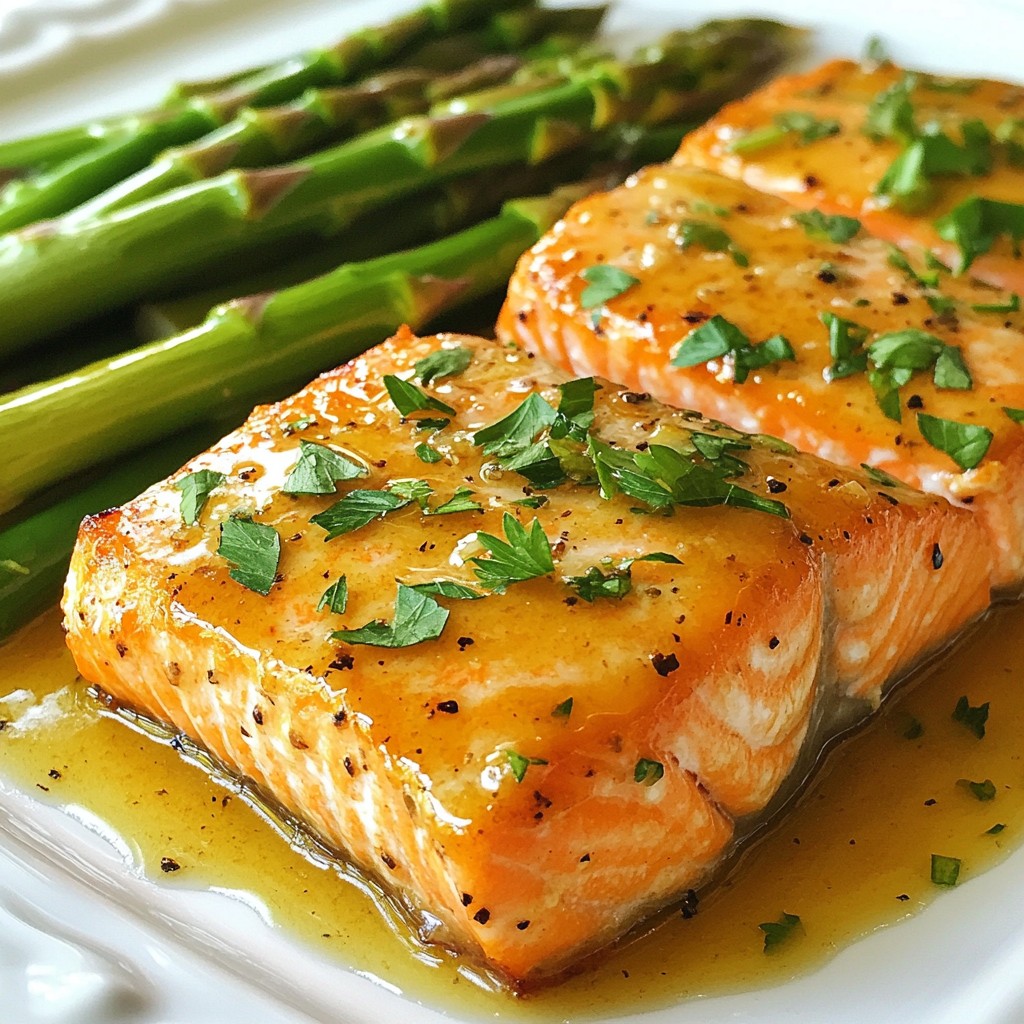
- Versatile Presentation: Serve it with a variety of sides, like steamed asparagus or roasted vegetables, to create a colorful and nutritious meal that looks as good as it tastes.
Ingredients
List of Ingredients
- 4 salmon fillets (about 6 ounces each)
- 1/4 cup pure maple syrup
- 2 tablespoons Dijon mustard
- 1 tablespoon soy sauce (or tamari for gluten-free)
- 1 tablespoon olive oil
- 1 tablespoon fresh lemon juice
- 2 cloves garlic, minced
- Salt and pepper to taste
- Fresh parsley, chopped (for garnish)
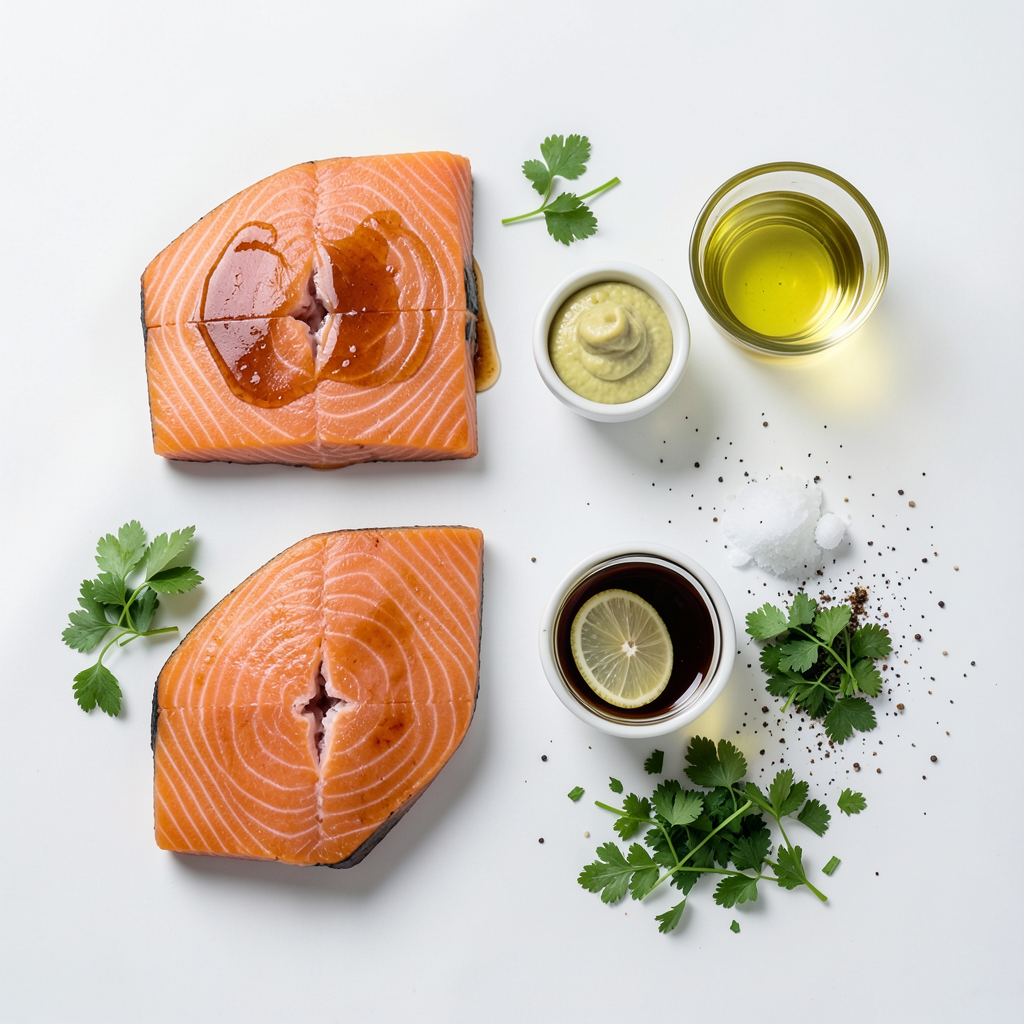
To make Maple Dijon Glazed Salmon, gather all your ingredients first. The salmon fillets are the star of the dish. They provide a rich, buttery flavor. The maple syrup gives the glaze a sweet touch. Dijon mustard adds a sharp taste that balances the sweetness.
Soy sauce or tamari brings saltiness to the mix. Olive oil keeps the salmon moist while cooking. Fresh lemon juice brightens the flavor and adds freshness. Garlic adds a nice depth to the glaze.
Don’t forget salt and pepper! These simple seasonings enhance the dish. Fresh parsley gives a pop of color and freshness as a garnish. You can make this dish in just 30 minutes, which makes it perfect for busy nights.
This list makes it easy to prepare. Each ingredient plays a key role in building flavor. Enjoy the process of cooking and feel proud of your delicious meal!
Step-by-Step Instructions
Preparation Steps
1. Preheating the oven: Start by preheating your oven to 375°F (190°C). This step is key for even cooking.
2. Making the glaze: In a small bowl, mix together 1/4 cup of pure maple syrup, 2 tablespoons of Dijon mustard, 1 tablespoon of soy sauce (or tamari), 1 tablespoon of olive oil, 1 tablespoon of fresh lemon juice, and 2 cloves of minced garlic. Whisk until well combined.
3. Preparing the salmon: Take 4 salmon fillets, each about 6 ounces. Season both sides with salt and pepper. Place the fillets skin-side down on a lined baking sheet.
Baking the Salmon
1. Applying the glaze: Brush half of the maple Dijon glaze evenly over the top of each salmon fillet. This will add flavor as it bakes.
2. Cooking time and checks: Bake the salmon in the preheated oven for 15-20 minutes. Check if it flakes easily with a fork. For a more intense flavor, brush the remaining glaze over the salmon during the last 5 minutes of baking.
Serving Suggestions
1. Resting the salmon: Once baked, remove the salmon from the oven and let it rest for a couple of minutes. This helps keep it moist.
2. Presentation ideas: Serve the salmon on a bed of steamed asparagus or with roasted vegetables. Drizzle any extra glaze from the baking sheet over the salmon. Garnish with fresh chopped parsley and lemon wedges for a colorful, zesty touch.
Tips & Tricks
Cooking Tips
To ensure your salmon is cooked just right, aim for an internal temp of 145°F. The fish should flake easily with a fork. If your salmon cooks too fast, it might dry out. Use a meat thermometer for the best results.
If you face issues while baking, check your oven temperature. An oven that runs hot can burn the glaze. If the glaze starts to burn, cover the salmon with foil. This will protect it while it finishes cooking.
Flavor Enhancements
To enhance the glaze, consider adding some spices. A pinch of paprika gives a smokey kick. You could also try fresh dill or thyme for an herby twist. They blend well with the maple and Dijon flavors.
Garnishing Ideas
Presentation matters! Serve the salmon on a bed of steamed asparagus or beside roasted veggies. This adds color and nutrients. Drizzling extra glaze over the salmon brightens the dish. Lastly, a sprinkle of fresh parsley makes it pop. A slice of lemon adds zest and freshness.
Pro Tips
- Marinating for Flavor: Allow the salmon to marinate in the glaze for at least 30 minutes before baking to enhance the flavor.
- Skin-On Cooking: Cooking the salmon with the skin on helps to keep it moist. You can easily remove the skin after cooking if preferred.
- Check for Doneness: Use a fork to gently flake the salmon at the thickest part. If it flakes easily, it’s done. Aim for an internal temperature of 145°F (63°C).
- Serving Suggestions: Pair the salmon with a side of quinoa or brown rice to make it a complete meal, and top with a squeeze of fresh lemon juice for brightness.
Variations
Ingredient Substitutions
You can switch up the sweetener in this recipe. Honey or agave nectar works well. For mustard, try whole grain or spicy brown mustard. Each option gives a new twist.
If you want to change the fish, salmon isn't your only choice. You can use trout or halibut for a lighter taste. These fish absorb the glaze nicely too.
Cooking Method Variations
You can grill or pan-sear the salmon if you want a smoky flavor. For grilling, preheat the grill and cook on medium heat. Flip the salmon halfway through for even cooking.
Using a pan is just as easy. Heat olive oil in a skillet and cook the salmon skin-side down. Cook for about six minutes, then flip for five more.
An air fryer is another great option. Preheat it to 375°F (190°C). Cook the salmon for about 8-10 minutes. You’ll get a nice crisp texture.
Dietary Adjustments
To make this dish gluten-free, simply use tamari instead of soy sauce. This small change keeps all the flavors intact.
If you're looking for low-carb options, skip the maple syrup. Use a sugar-free sweetener instead. You can also serve the salmon on a bed of leafy greens instead of grains. This keeps it fresh and light.
Storage Info
Recommended Storage Methods
To keep your leftover Maple Dijon Glazed Salmon fresh, store it in the refrigerator. Place the salmon in an airtight container. Make sure to cover the salmon well to avoid any strong odors. It will stay good for up to three days. If you want to eat it later, freezing is a great option.
Freezing Tips
To properly freeze baked salmon, wrap each fillet tightly in plastic wrap. Then, place the wrapped salmon in a freezer bag. Squeeze out as much air as you can before sealing. This helps prevent freezer burn. The salmon can stay frozen for up to three months. When you're ready to eat it, thaw it in the fridge overnight.
Reheating Suggestions
For the best reheating results, use the oven or a skillet. Preheat the oven to 350°F (175°C). Place the salmon on a baking sheet and cover it with foil. This keeps the moisture in. Heat for about 10-15 minutes until warm. If using a skillet, add a little olive oil to the pan over medium heat. Cook for a few minutes on each side until hot. These methods help keep the salmon's texture nice and flaky.
FAQs
Common Questions About Maple Dijon Glazed Salmon
How long can I store the glazed salmon? You can store the glazed salmon in the fridge for up to three days. Keep it in an airtight container to maintain its flavor. When ready to eat, simply reheat it gently to avoid drying it out.
Can I use other types of fish for this recipe? Yes, you can use other fish like trout or halibut. Just keep an eye on the cooking time, as different fish may cook faster or slower than salmon.
What sides pair well with Maple Dijon Glazed Salmon? I love serving this salmon with roasted vegetables or a fresh salad. Steamed asparagus and quinoa also make great sides. They add color and balance to your plate.
Cooking-related Inquiries
What is the best temperature to cook salmon? The best temperature to cook salmon is 375°F (190°C). This temperature cooks the fish evenly, keeping it moist and flaky.
How do I know when my salmon is done cooking? Salmon is done when it flakes easily with a fork and turns opaque. You can also use a food thermometer; it should read 145°F (63°C) in the thickest part.
Ingredient FAQs
Can I make the glaze in advance? Absolutely! You can mix the glaze a day ahead. Just store it in the fridge in a sealed container. This saves time on the day you cook.
Is maple syrup healthy for cooking? Maple syrup is a good alternative to refined sugars. It has some vitamins and minerals. Use it in moderation, as it is still high in sugar.
Cooking with salmon can be simple and fun. This post detailed ingredients, steps, tips, and variations for making Maple Dijon Glazed Salmon. By following the clear instructions and ideas, you can create a delicious dish suited for any occasion. Remember to store, freeze, and reheat your salmon properly for the best results. Enjoy experimenting with flavors and methods. You’ll impress your family and friends every time.