Discover the Incredible Teriyaki Salmon: A Perfect Blend of Flavors
Imagine walking into your kitchen after a long day, craving a dish that's as delicious as it is comforting. The savory aroma of soy sauce mixed with sweet honey wafts through the air, enveloping you in a warm embrace. This is the magic of Teriyaki Salmon, a dish that promises not only flavor but also a sensory experience that will melt in your mouth. With its crispy exterior and tender, flaky center, this savory delight is bound to become a staple in your dinner rotation.
For me, Teriyaki Salmon is more than just a recipe—it's a cherished memory. I vividly recall the first time I tasted it at a quaint Japanese restaurant, where the chef's expertise transported each bite to another level of culinary delight. Inspired by that unforgettable experience, I crafted my own version at home, and it quickly became a family favorite. Now, I'm thrilled to share this incredible recipe with you, so you too can enjoy the perfect harmony of flavors that make this dish truly special.
What Makes Teriyaki Salmon Special
There are countless reasons why you'll fall in love with Teriyaki Salmon. Here are just a few that make it a must-try:
- Quick and Easy: With just 30 minutes from start to finish, this recipe is perfect for busy weeknights.
- Healthy and Nutritious: Packed with omega-3 fatty acids and protein, salmon is a heart-healthy choice.
- Budget-Friendly: Simple ingredients you likely already have in your pantry make this dish economical.
- Impressive Presentation: The glossy glaze and vibrant garnishes make it a showstopper for guests.
Ingredient Breakdown
Key Ingredients and Their Purpose
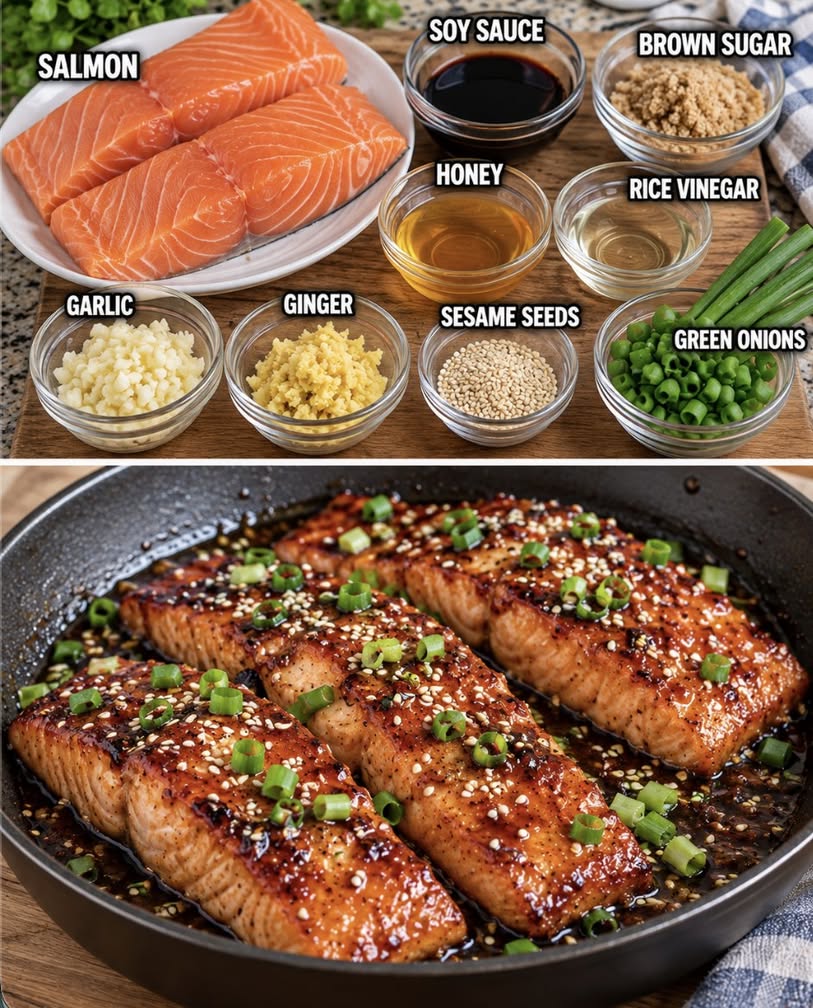
- Salmon fillets: The star of the dish, providing a rich, buttery texture.
- Soy sauce: Adds umami depth and saltiness to balance the sweetness.
- Brown sugar and honey: Create the perfect caramelized glaze.
- Rice vinegar: Adds a subtle tanginess to brighten the flavors.
- Garlic and ginger: Infuse the dish with aromatic warmth.
- Sesame seeds and green onions: Offer a delightful crunch and color contrast.
Substitutions for Dietary Restrictions
For a gluten-free version, substitute soy sauce with tamari or coconut aminos. To make it vegan, use tofu or a plant-based fish alternative instead of salmon.
Tips for Selecting the Best Quality Ingredients
Choose fresh, wild-caught salmon for the best flavor and texture. Look for fillets that are firm to the touch and have a vibrant coral color. When selecting soy sauce, opt for a low-sodium variety to control the saltiness of the dish.
Step-by-Step Tips for Success
Pro Tips for Each Major Step
- Marinating: For deeper flavor, let the salmon marinate in the fridge for up to an hour.
- Cooking: Ensure the skillet is hot before adding salmon to achieve a crisp skin.
- Glazing: Spoon the marinade over the salmon as it cooks to enhance the glaze.
Common Mistakes to Avoid
Avoid overcooking the salmon, which can make it dry. Use a thermometer to check that the internal temperature reaches 145°F.
How to Know When It's Done Perfectly
Salmon is perfectly cooked when it flakes easily with a fork and the glaze is caramelized to a rich amber color.
Variations & Customizations
Flavor Variations
- Add a kick by incorporating a teaspoon of sriracha or chili flakes into the marinade.
- For a citrus twist, add a splash of fresh lime or orange juice to the sauce.
Making It Healthier
For a lighter version, reduce the amount of honey and brown sugar, or substitute with a natural sweetener like stevia.
Serving Suggestions
Teriyaki Salmon pairs beautifully with steamed jasmine rice and sautéed vegetables like broccoli or bok choy. For a stunning presentation, arrange the salmon on a platter, sprinkle with sesame seeds, and garnish with green onions. A wedge of lime on the side adds a pop of color and freshness.
Storage & Meal Prep
How to Store Leftovers
Store any leftover salmon in an airtight container in the refrigerator for up to 3 days. For longer storage, freeze for up to 2 months.
Reheating Instructions
Gently reheat in a skillet over low heat to maintain moisture, or in the microwave with a damp paper towel covering the fish to prevent drying out.
Meal Prep Tips
Prepare the marinade in advance and store it in the fridge for up to a week. You can also portion and freeze the salmon with marinade for a ready-to-cook meal.
Nutritional Benefits
Salmon is an excellent source of omega-3 fatty acids, which support heart health, and protein, which aids in muscle repair and growth. Ginger and garlic are renowned for their anti-inflammatory properties, making this dish both delicious and beneficial for your health.
FAQ Section
Can I use frozen salmon?
Yes, just ensure the salmon is fully thawed and patted dry before marinating to enhance flavor absorption.
What if I don't have rice vinegar?
You can substitute with apple cider vinegar or white wine vinegar for a similar tangy effect.
How do I prevent the salmon from sticking to the pan?
Ensure your skillet is well-heated and lightly oiled before adding the salmon. Non-stick pans are ideal for this recipe.
Can I grill the salmon instead?
Absolutely! Grill the salmon over medium heat for the same amount of time, basting with marinade for added flavor.
What's the best way to tell if salmon is fresh?
Fresh salmon should have a mild scent, firm flesh, and vibrant color. Avoid any fish with a strong, fishy odor.
With this comprehensive guide, you're now equipped to create an unforgettable Teriyaki Salmon dish that's sure to impress family and friends alike. Enjoy every bite of this delightful culinary experience!